 "
" "
" "
" "
" "
"
Learn to set up your own ropes on the Southern Sandstone
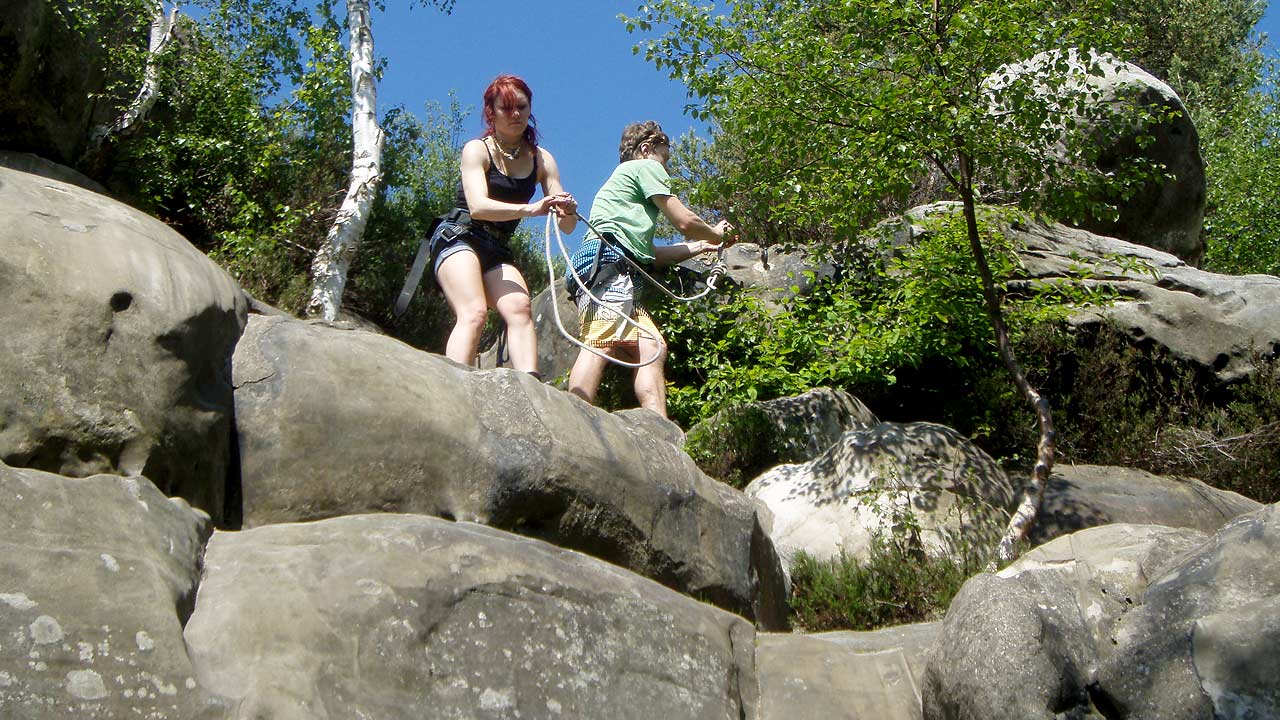
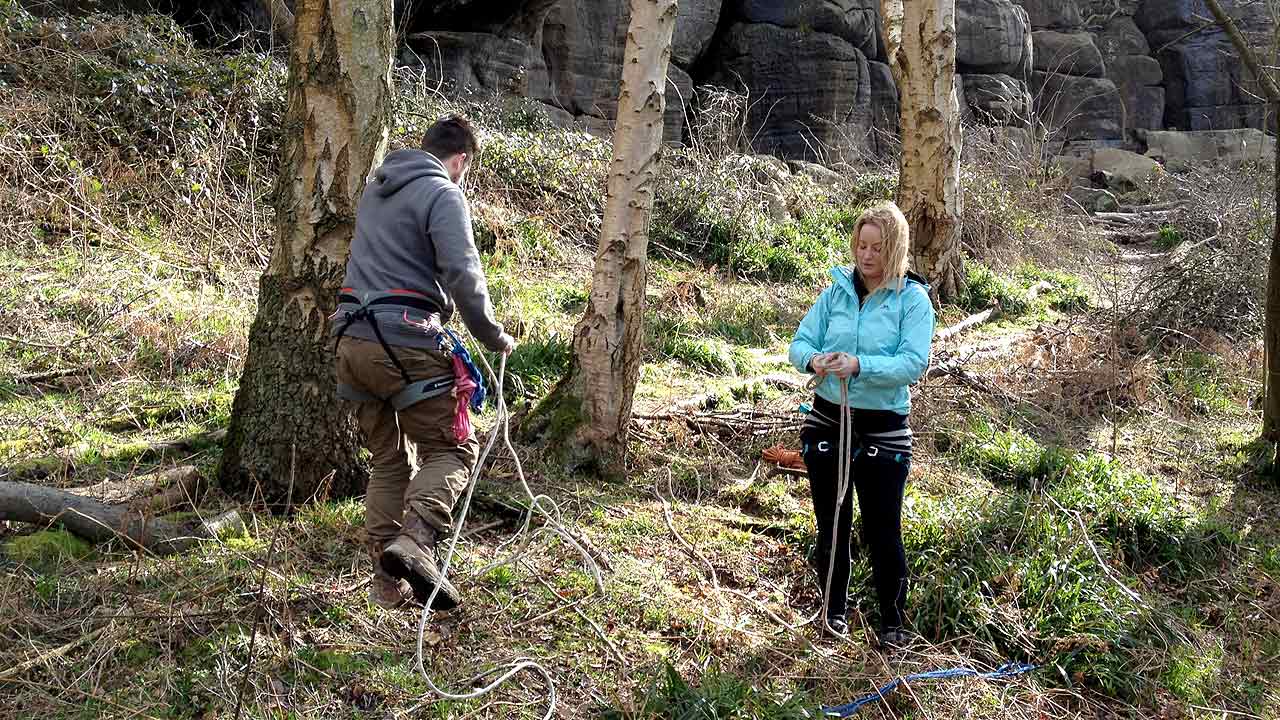
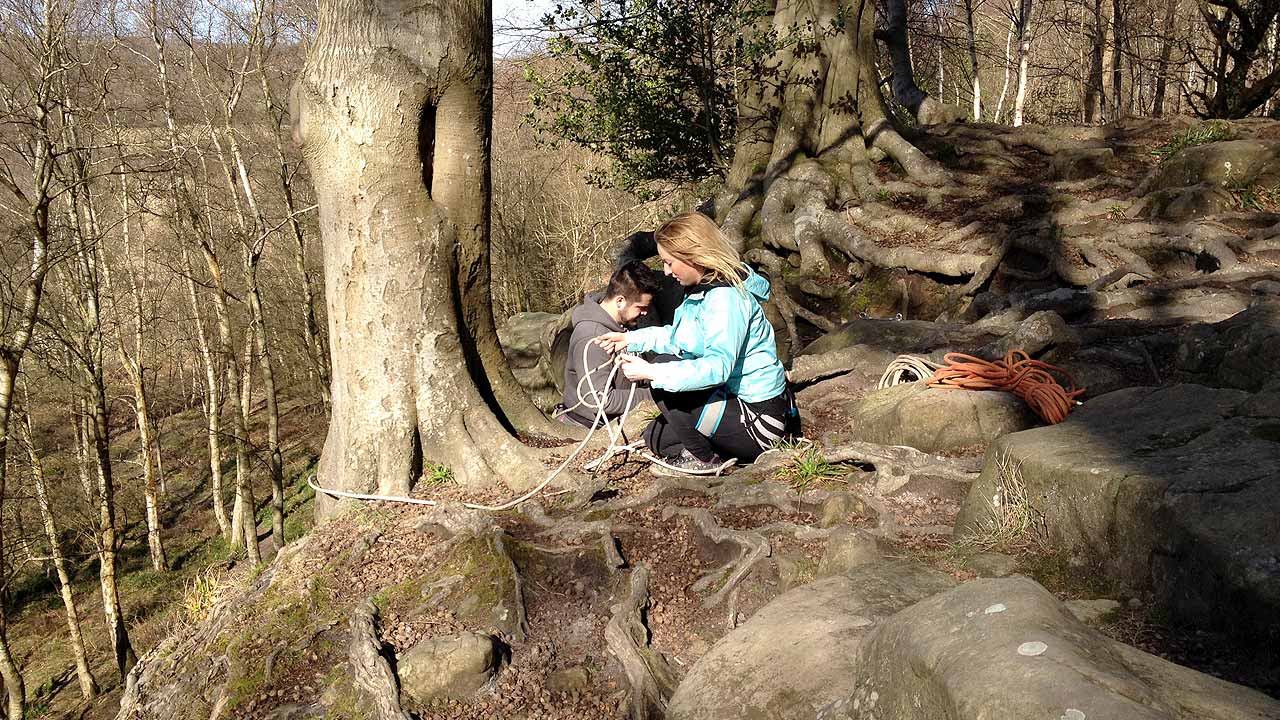
As an intermediate climber, at some point you will want to head out climbing without an instructor to keep learning at your own pace. To do this, the first thing you’ll need to learn is how to safely set your own ropes.
If you’re based in London or elsewhere in the South East, the first ropes you’ll want to learn about are the ones set on your local Southern Sandstone crags. This is where you’ll be experimenting in between longer trips away - it only makes sense to develop your skills in this unique environment.
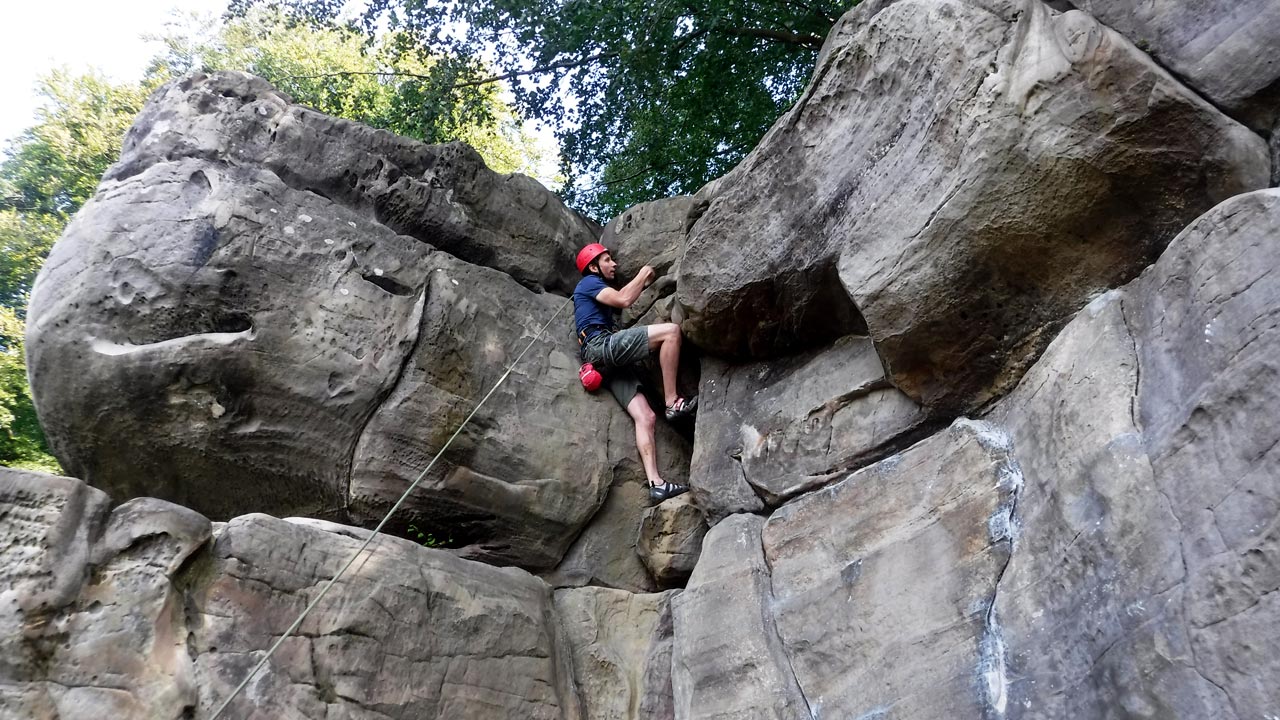
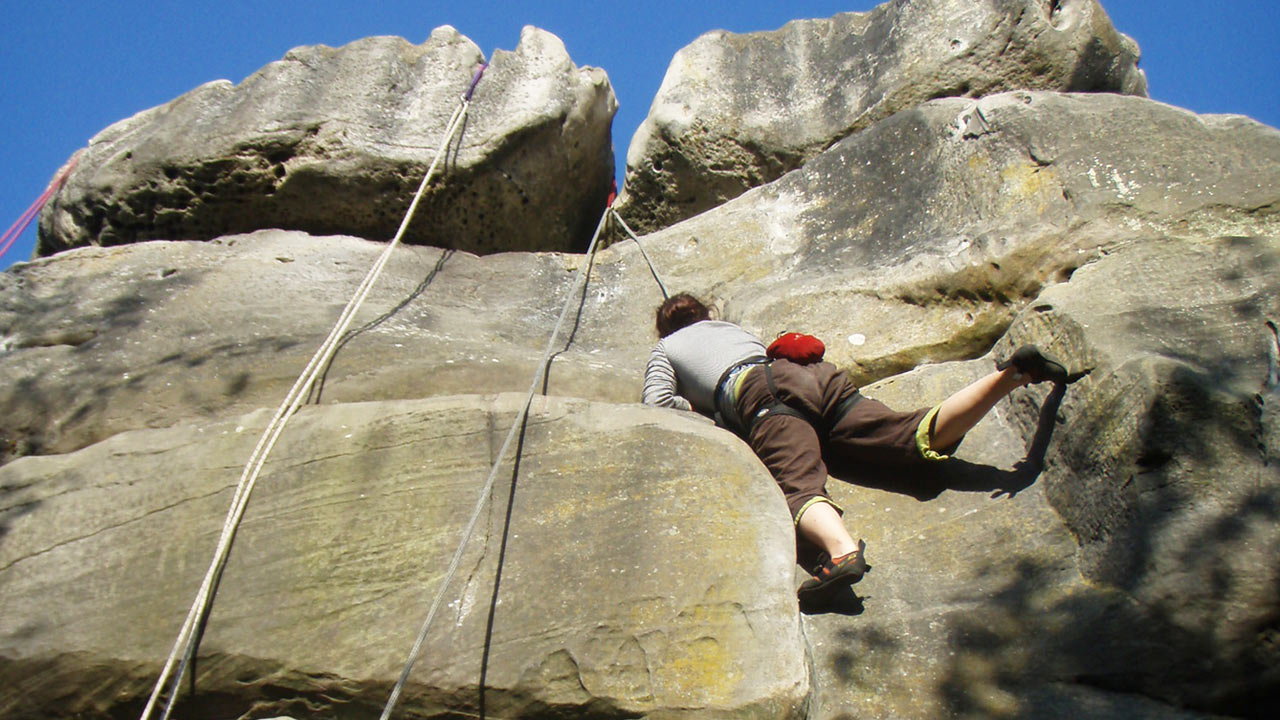
Southern Sandstone is the name given to the outcrops of sandstone formed millions of years ago on the borders of Kent and East Sussex. While some of the skills taught on this course are unique to sandstone, most will be valid for all other other climbing environments and will be invaluable to your overall journey as a climber.
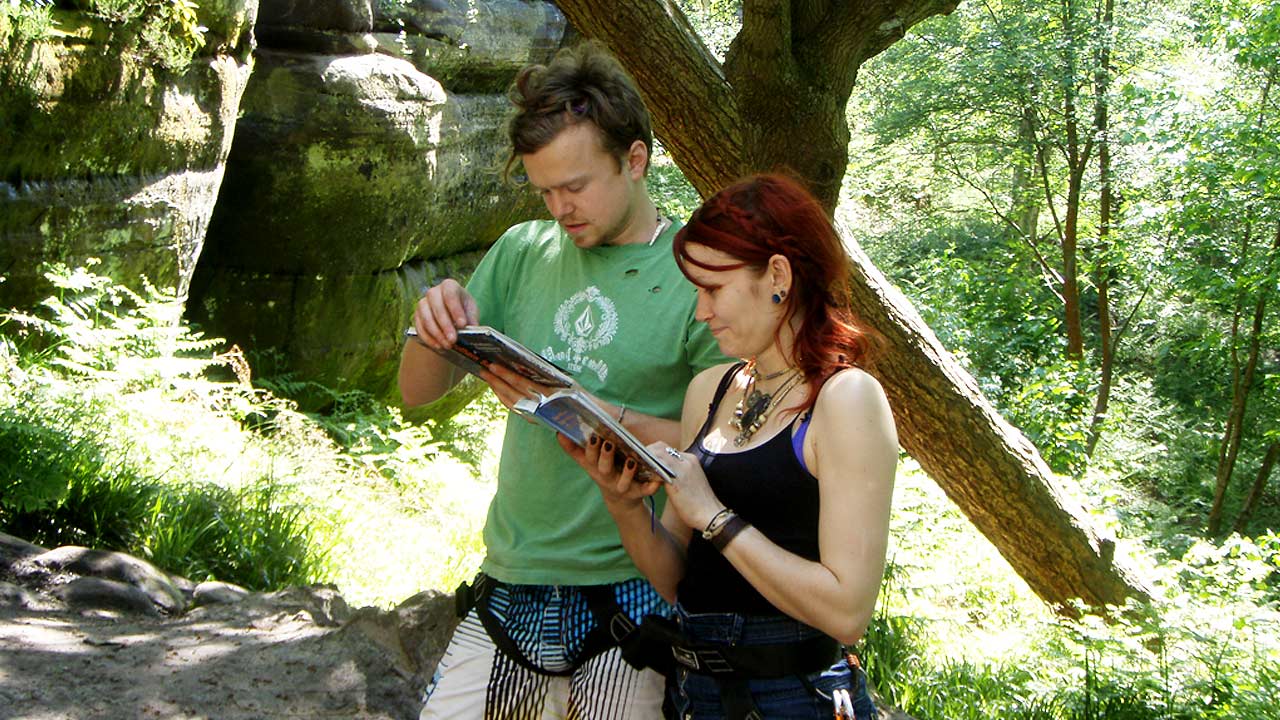
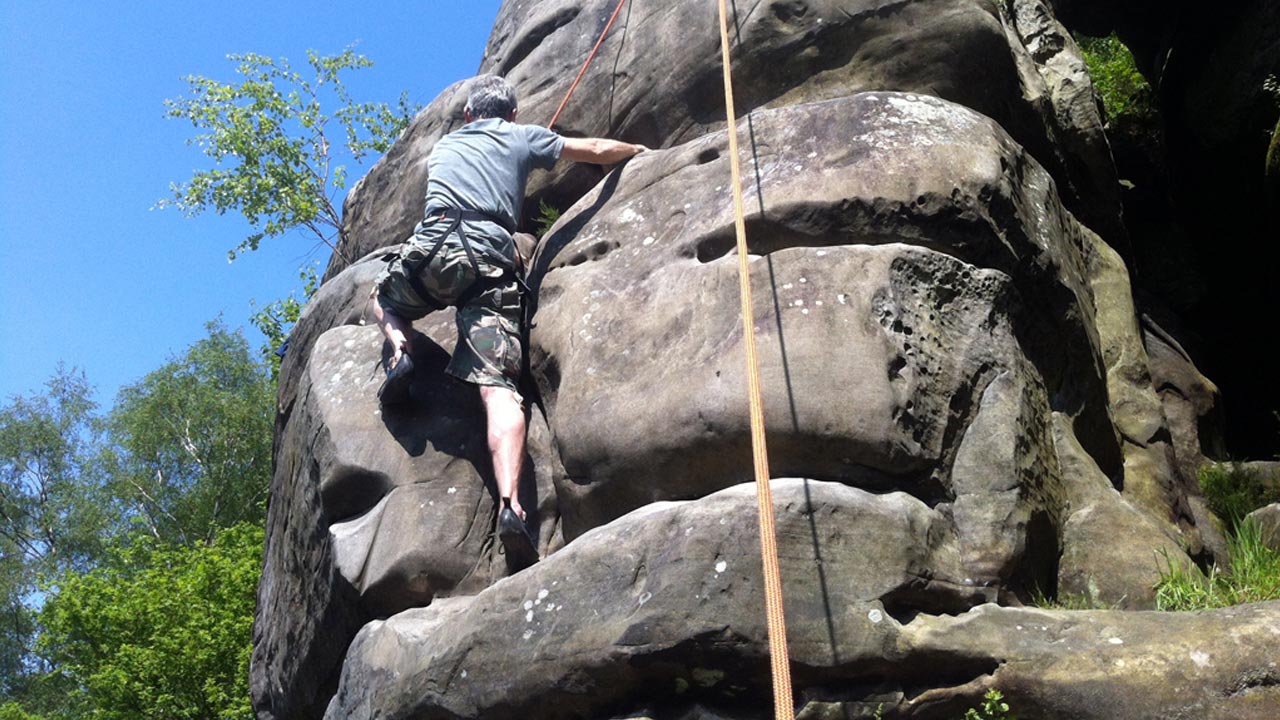
In this course, you’ll learn how to set your own ‘bottom ropes’ (often known as top ropes), how to select a climb using guidebooks, what rock climbing equipment you’ll need (including how to look after and maintain it), how to safely asses anchor points, and how to rig your own climbs. Your experienced instructor will teach you about Southern Sandstone - this wonderful yet fragile climbing environment - and how to protect it by minimising the significant impact of erosion by climbers on the rock.
By the end of this course, we expect you to be able to head out on your first climbing trip without an instructor in full confidence and safety.
Information
Season
March to October
Duration
8hrs
Group Size
4-6
Restrictions
Minimum age: 18 Max weight: 18 stone (115kg).
Aim
To learn the best practice for safely setting up your own ropes on the Southern Sandstone crags found in Sussex and Kent, and to have a much greater understanding of climbing equipment, its intended uses and its limitations.
Who is it for?
Perfect for indoor climbers who want to take their first steps climbing outside in the South East, or those that have completed our Introduction to Rock Climbing course wants to further their knowledge in the sport and climb without an instructor.
Prerequisites
To attend this course, you must be able to:
- Tie into the rope using a Figure of Eight and Stopper Knot or Bowline and Stopper Knot.
- Belay and lower a climber on an ATC style device.
- Personal climbing ability isn't important although you will benefit most from this course if you can climb to a 4a/b standard.
Groups
Group bookings can be arranged:
£100pp (Group Size 4-6)
Please note that all group bookings will be available for others to book, unless booking for a minimum of 4 people.
Itinerary
During this course, you will learn how to set up your own 'bottom ropes' on the Southern Sandstone crags found in Sussex and Kent. We start by setting up a climb for you to get everyone warmed up and check current climbing / rope skills.
The morning is then spent learning to assess appropriate anchors to set up your climbs and how to safely access the edge of the rocks. We start with single point anchors using bolts, trees, boulders, spikes and how to look after and protect the sandstone rocks to ensure they're enjoyed for generations to come.
The afternoon, is more advanced climbing set ups such Y-hangs and multipoint anchors as well as how to look after and maintain your equipment.
Skills Covered
- Personal safety
- Using guide books and route selection
- Equipment selection
- Setting up basic bottom ropes
- Single point anchors
- Y-Hangs & multi point anchors
- Rigging issues / safety
- Climbing history / etiquette
- Sandstone erosion / conservation
Locations
Climbing sessions can be run at a number of Sandstone crags in Sussex and Kent
Equipment
Equipment supplied
All rock climbing and safety equipment is supplied including:
- Ropes
- Helmet
- Belaying device and karabiners
The items below are included, however to gain the most from this course we recommend that you have your own items:
- Harness
- Climbing shoes
Equipment needed
For all outdoor climbing courses you must have extra warm clothes and waterproofs, we will provide you with a full kit list upon booking.
- Comfortable clothing, suitable for the time of year*
- Waterproof jacket and trousers
- Rock boots / trainers**
- Harness
- Rucksack
- Packed lunch and plenty of water
- Medication / Tablets / Inhaler etc.
The above list is just a guide and appropriate clothing for the time of year should be worn.
*Clothing should comprise of several layers to trap the warmth. Please do not wear denim as it restricts movement, is cold when wet and is slow to dry.
**Please wear soft-soled shoes such as trainers; you are not permitted to wear walking boots etc. as these damage the rocks. Please remember that the rocks are a short distance from the car park so it's important to put all of your kit in a suitable size rucksack, leaving space for climbing equipment.
Equipment shop
Visit our online shop for any kit you might want for your course:
We stock a variety of equipment and can give expert advice if you have any queries.
Choose to collect your order on a course (FREE of charge) and your instructor will have it ready and waiting for you when you arrive.