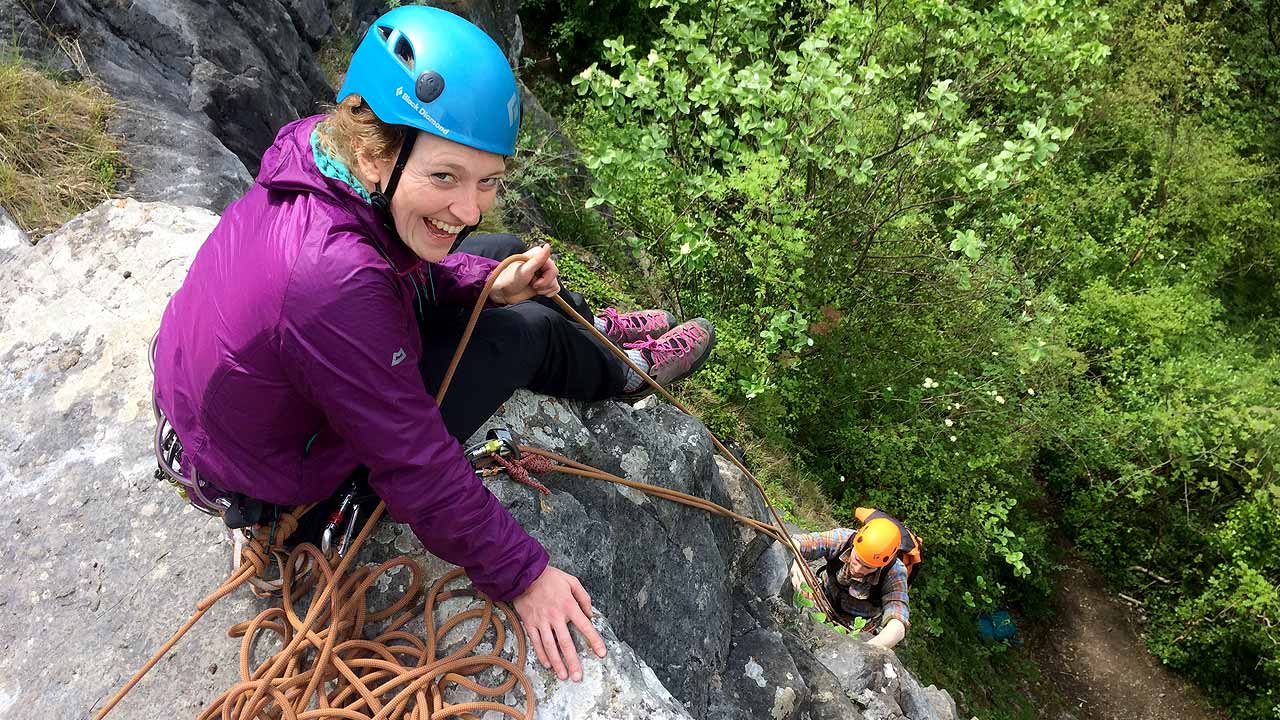
Self Rescue & Problem Solving Course for Climbers
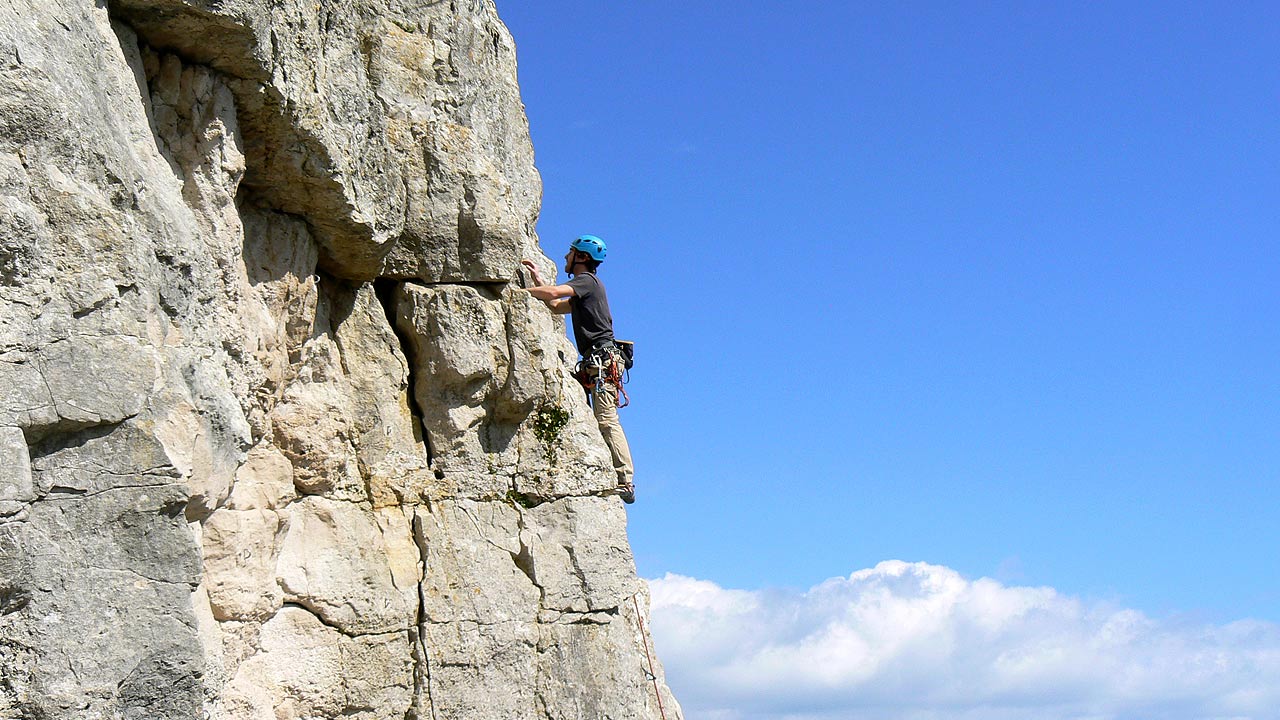
It’s not something anyone wants to think about, but if you take a second to wonder, what would you do if your climbing partner falls off an overhang, gets injured or worse, falls unconscious? These are invaluable skills that all climbers should know.
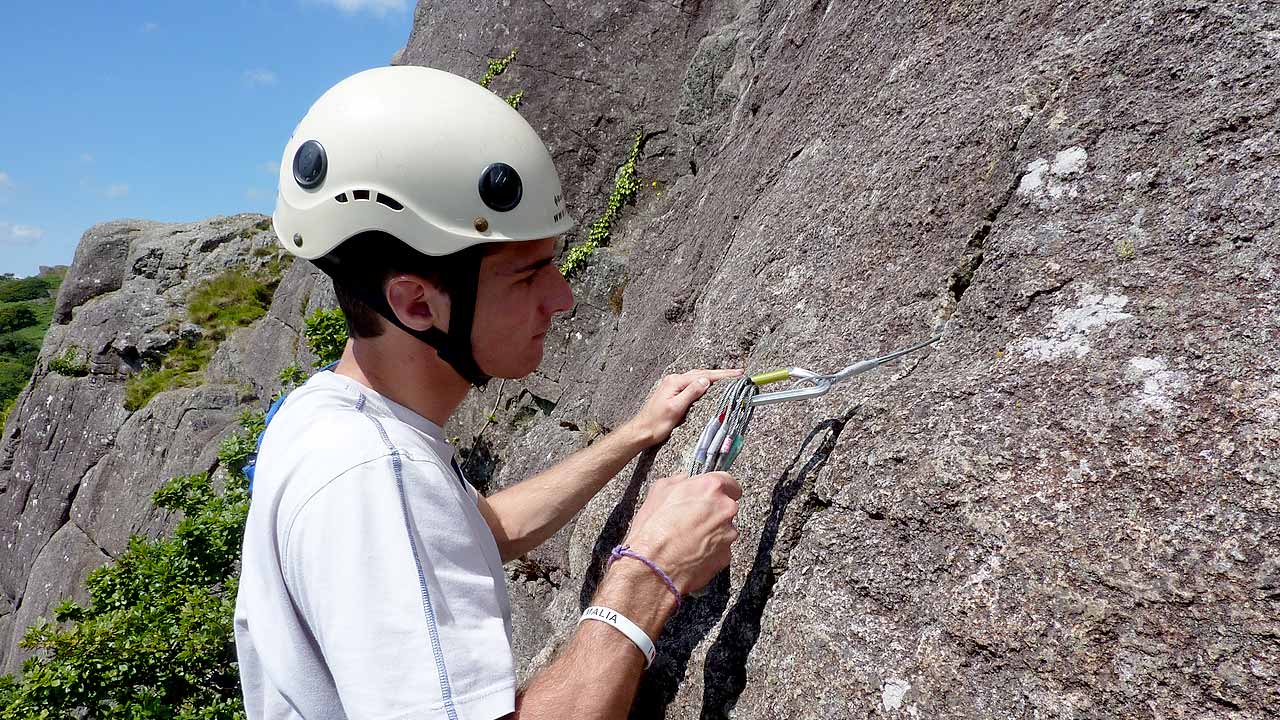
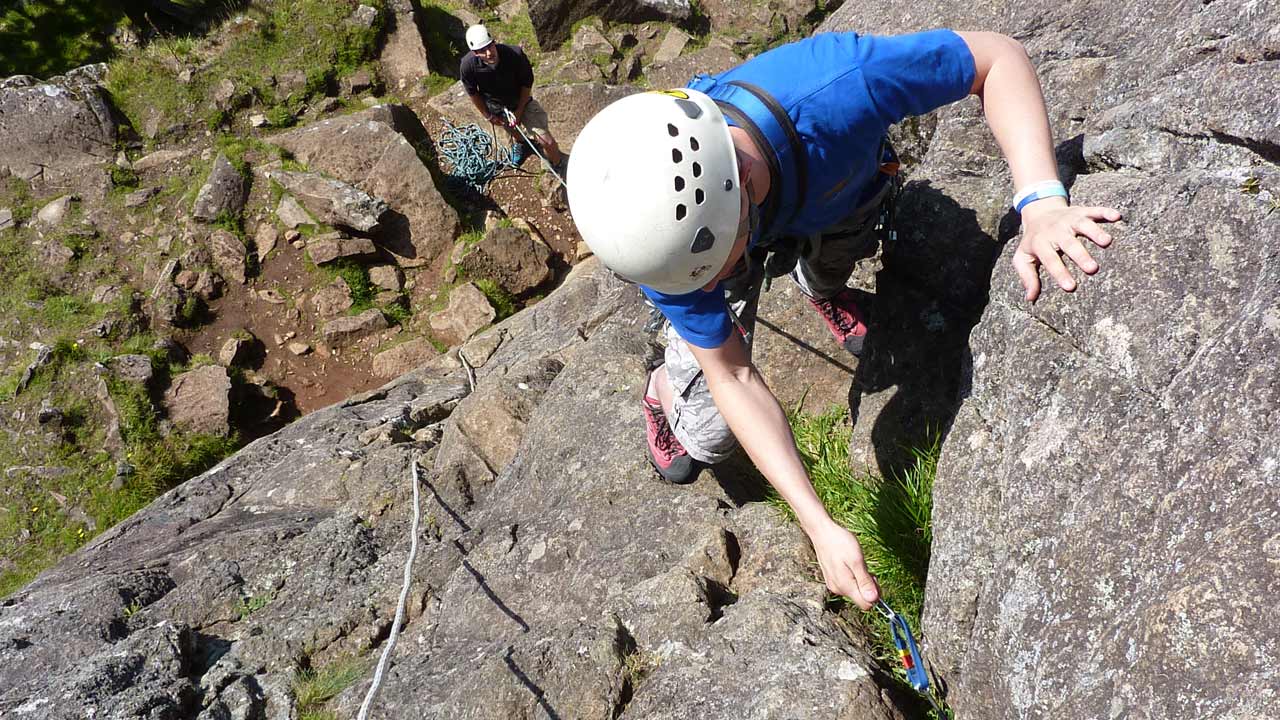
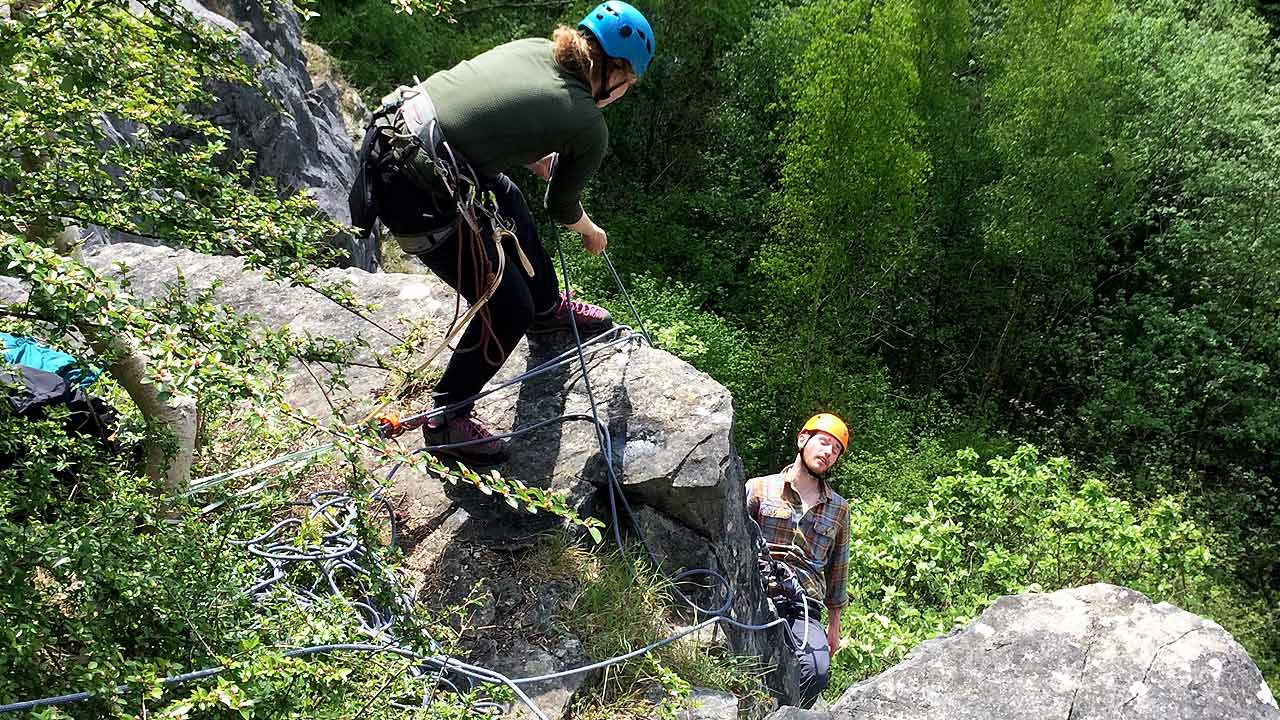
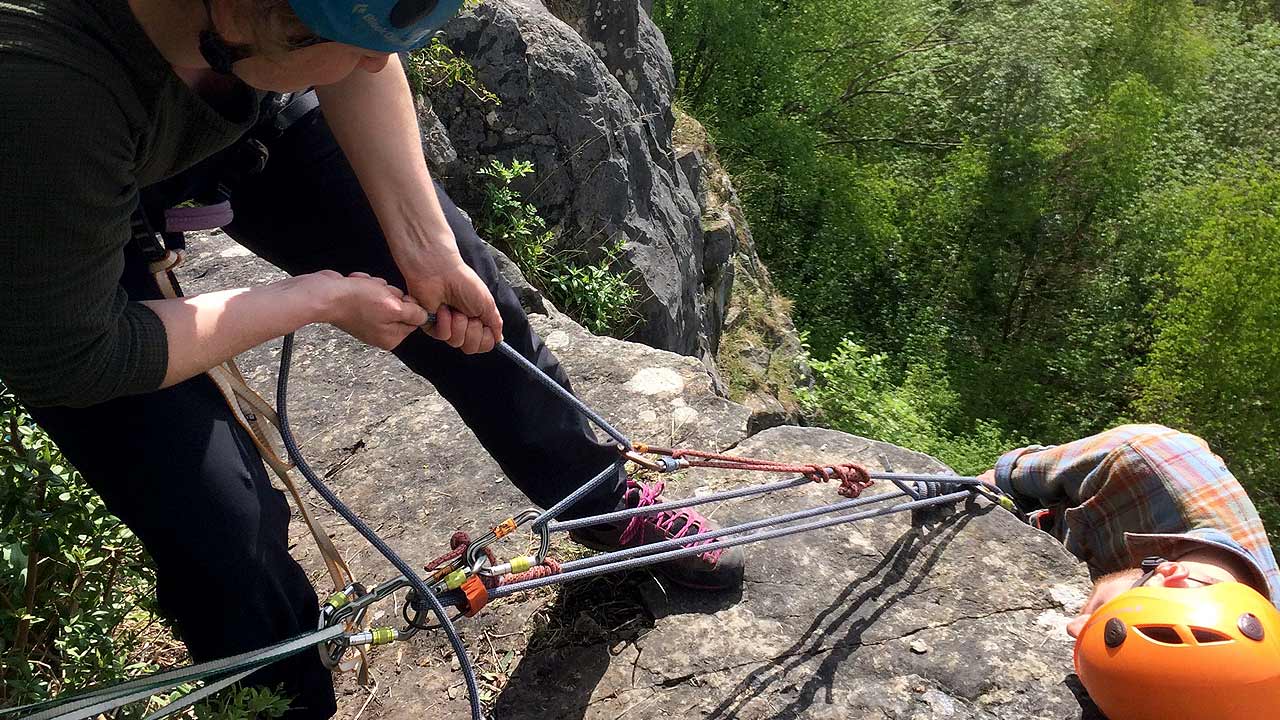
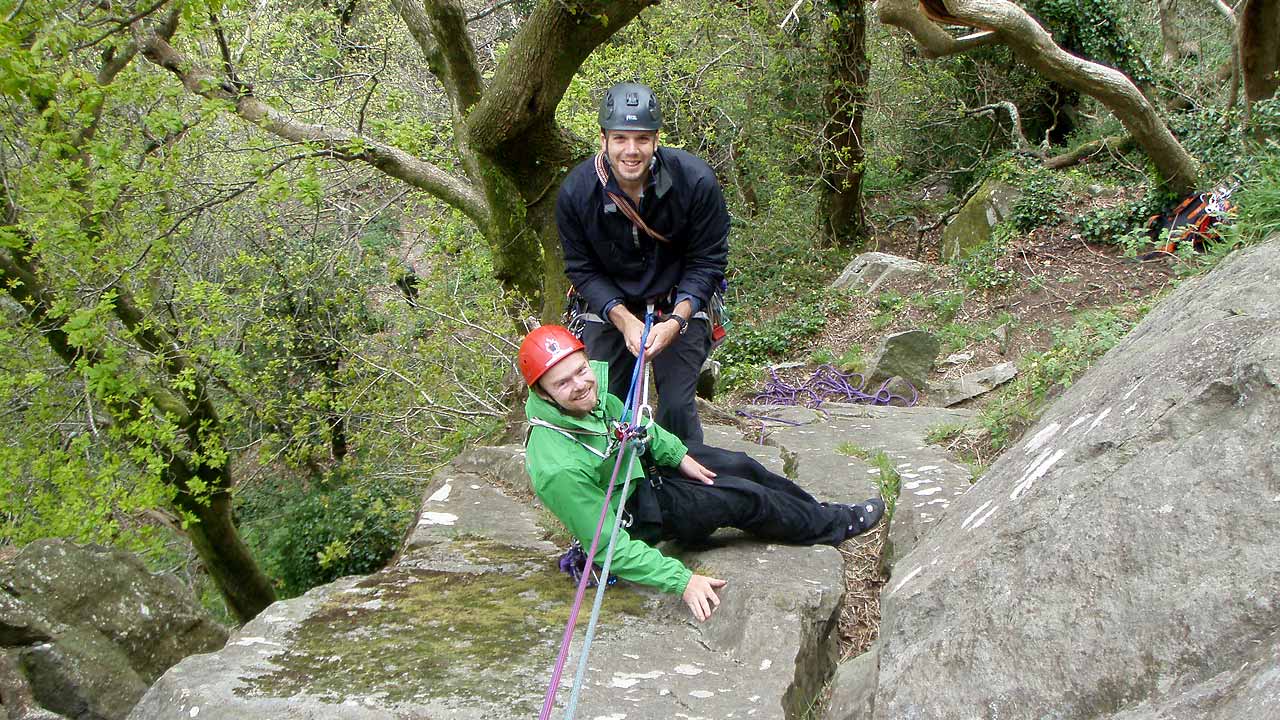
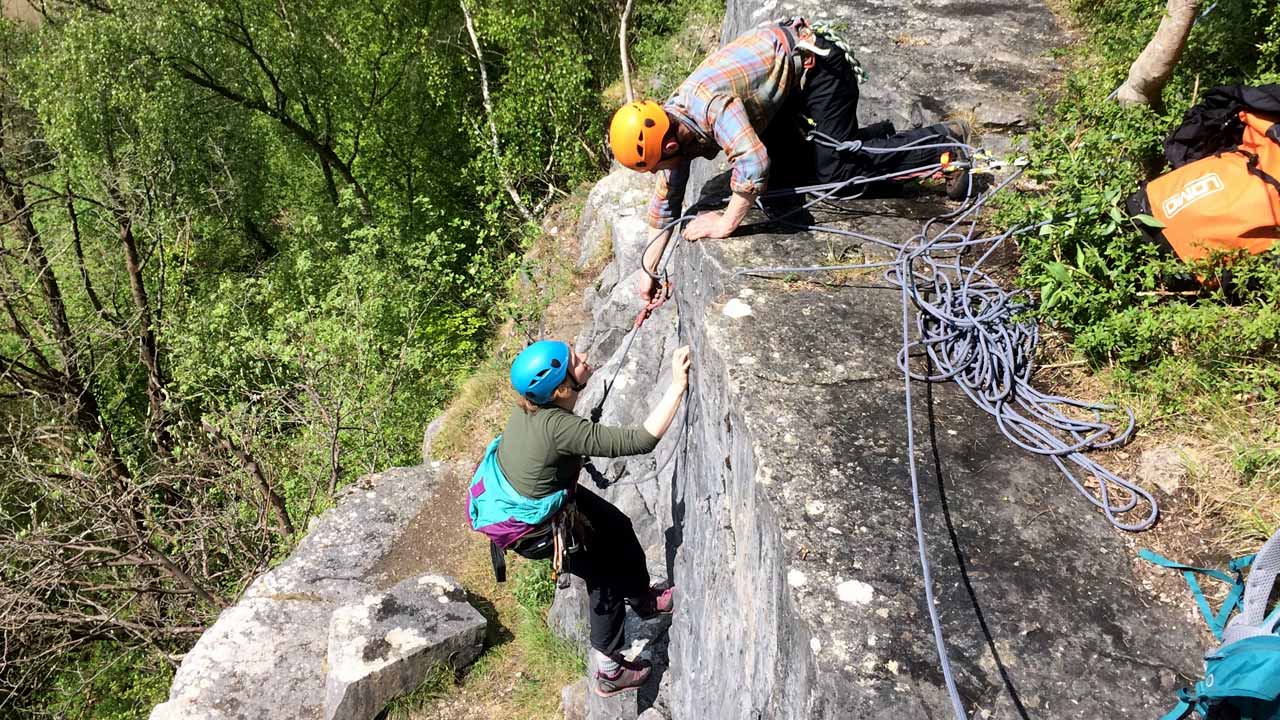
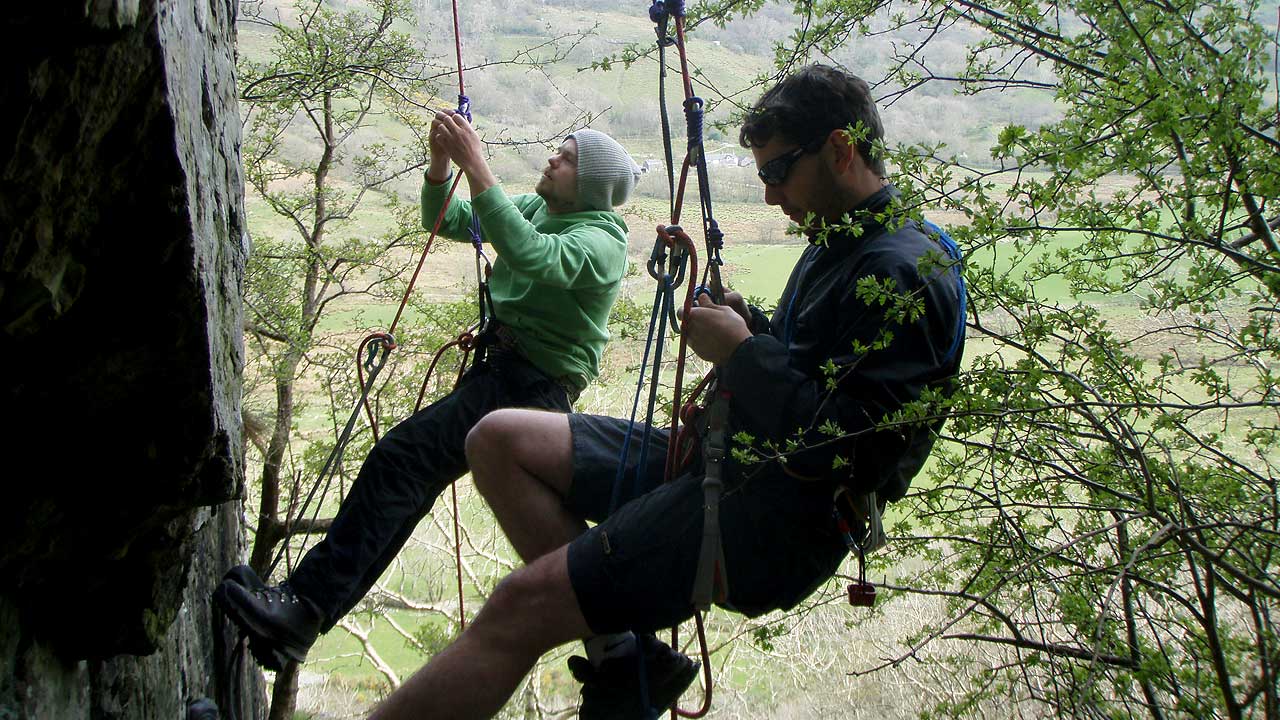
This course is aimed at both lead climbers and seconds as you never know who might need your help. You’ll learn a range of useful rope skills and principles to safely manage an incident, plus some problem solving, for example lowering passed knots and hoisting unconscious climbers.
We manage these courses at a 1:2 ratio so we can tailor the course to your needs, aspirations and abilities.
Information
Season
March to October
Duration
2 Days
Group Size
2-4
Restrictions
Minimum age: 18 Max weight: 18 stone (115kg).
Aim
Self rescue skills for climbers (leads and seconds). Learn to problem solve and feel more confident in the multi-pitch rock climbing environment.
Who is it for?
Lead climbers and seconds (with knowledge of leading). Anyone wishing to lead self rescue and problem solving rope skills.
Prerequisites
You must be able to safely and confidently lead climb on traditionally placed protection. To benefit most from this course you should be able to climb to an English 4b/c standard.
Accepting Risk
By its very nature lead climbing increases the risk of serious personal injury in the event of a fall. By booking this course you accept this risk.
YOU WILL BE REQUIRED TO LEAD ROCK CLIMBS USING LEADER PLACED PROTECTION AND SECOND OTHERS. This is, potentially, a dangerous activity with the risk of serious injury or death. You may take falls onto equipment placed by you but not checked by us. It is impossible for us to guarantee your safety at all times, as sometimes you may be out of our direct control. If you feel unhappy about any of this, please DO NOT join the course. More information is available if you require it. Hatt Adventures will not accept liability for accidents/injuries in such cases unless CLEARLY due to their negligence.
For more info. please see our Terms & Conditions.
Itinerary
The course is structured according to the needs of the group, and progression will be guided by our experienced instructor, but a typical course would look like:
Day 1 - Planning routes, rescue theory, prusik up and down and past knots. Escaping the system, assisting stuck climbers, abseil past knots.
Day 2 - Casualty management, hoisting a stuck climber, lowering an injured climber, and lots of practice!
Skills Covered
- Using guide books
- Route selection
- Communication on crags
- Problem solving theory
- Self rescue rope work
- Escaping the system
- Casualty management
- Prusik up and down past a knot
- Abseiling past a knot
- Improvised rescue equipment
- Emergency ascents / descents
- Hoists / lower offs
Locations
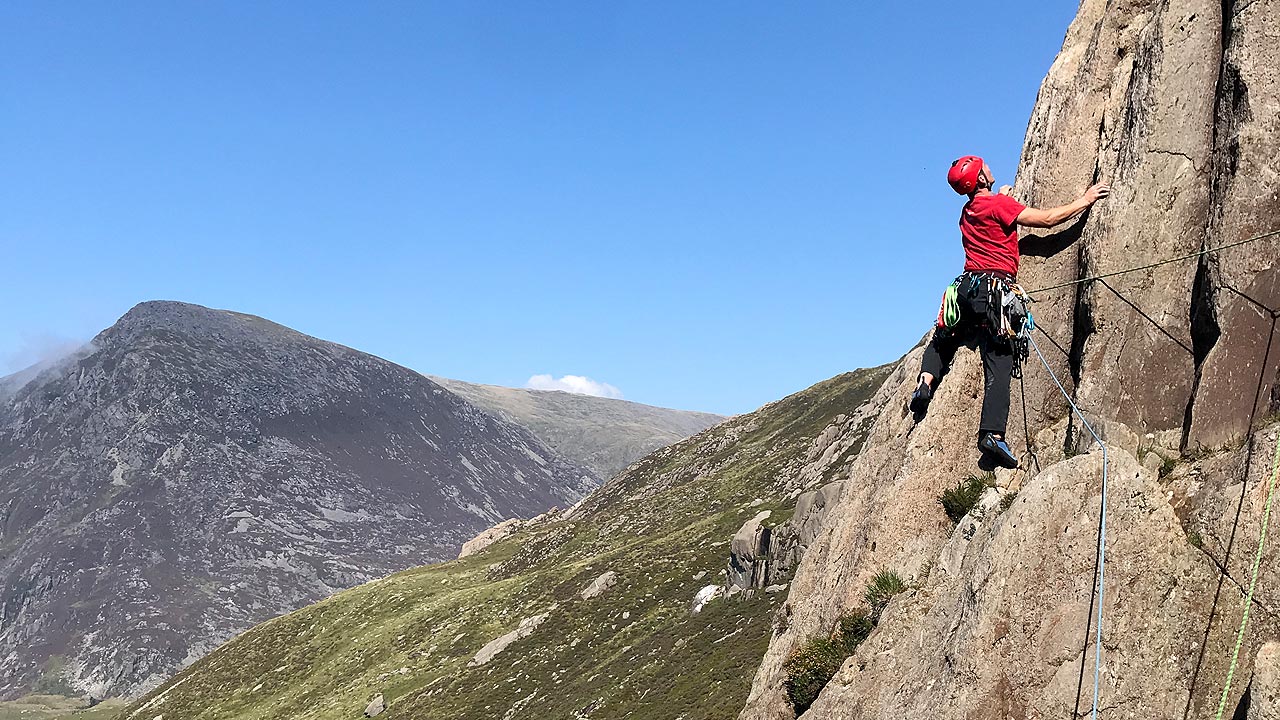
Courses can be held in a number of climbing locations throughout the UK
Equipment
Equipment supplied
All rock climbing and safety equipment is supplied including:
- Ropes
- Helmet
- Belaying device and karabiners
- Trad lead rack
Equipment needed
You will need your own personal climbing kit including harness and climbing shoes (these can be provided on request although personal kit will benefit you more).
For all outdoor climbing courses you must have extra warm clothes and waterproofs, we will provide you with a full kit list upon booking.
- Comfortable clothing, suitable for the time of year*
- Waterproof jacket and trousers
- Approach shoes / trainers**
- Climbing shoes
- Harness
- Rucksack (approx. 40-50ltr)
- Packed lunch and plenty of water
- Medication / Tablets / Inhaler etc.
The above list is just a guide and appropriate clothing for the time of year should be worn.
*Clothing should comprise of several layers to trap the warmth. Please do not wear denim as it restricts movement, is cold when wet and is slow to dry.
**For the walk-ins we’d recommend sturdy approach shoes or trainers with a substantial tread should be worn. Walking boots can be a good option but if we’re attempting long routes and climbing with kit they’ll be very heavy to carry.
Please remember the crags can be a fair walk or scramble from the car park, so it important to put all of your kit in a suitable size rucksack leaving space for climbing equipment.
Equipment shop
Take a look at our online shop for any equipment you might want for your outdoor adventures. We stock a variety of equipment and can give expert advice if you have any queries. Choose to collect your order on a course (free of charge) and your instructor will have it ready and waiting for you when you arrive.
Transport
To reduce the environmental impact, we actively encourage people to lift share where possible. Our instructors may be able to share transport from Brighton, London and the South East, or we will meet at the venue.