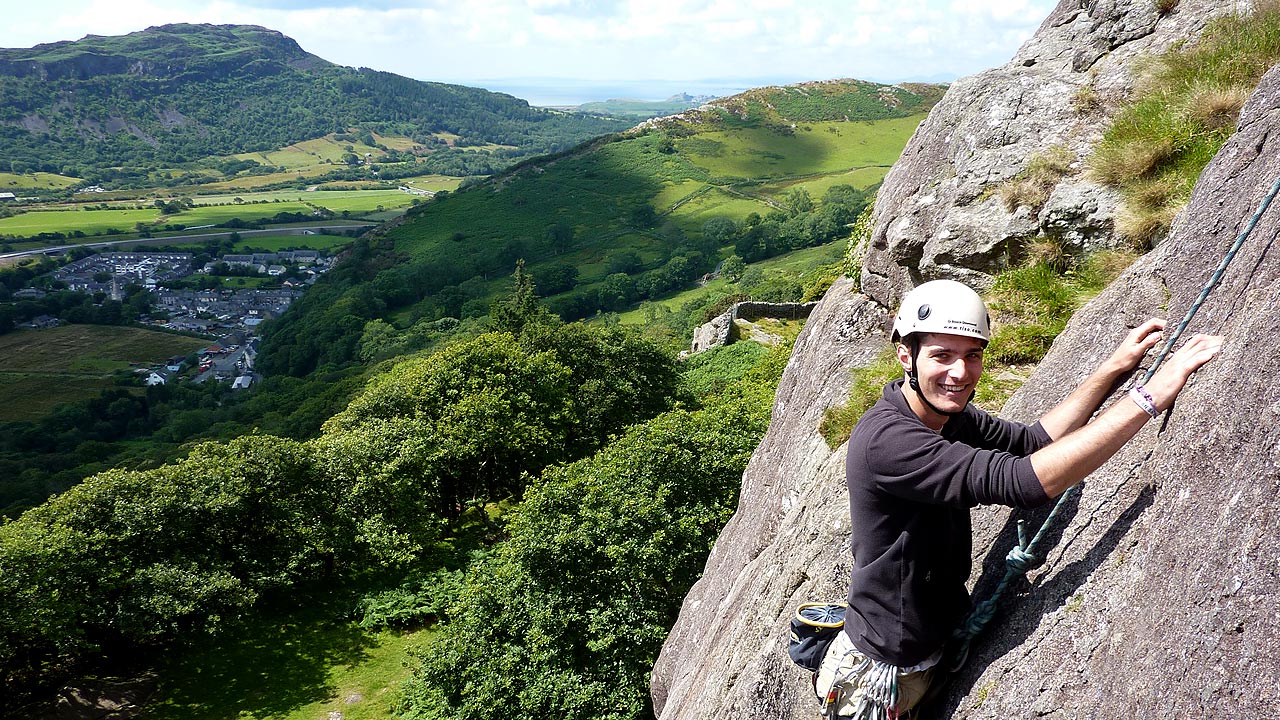
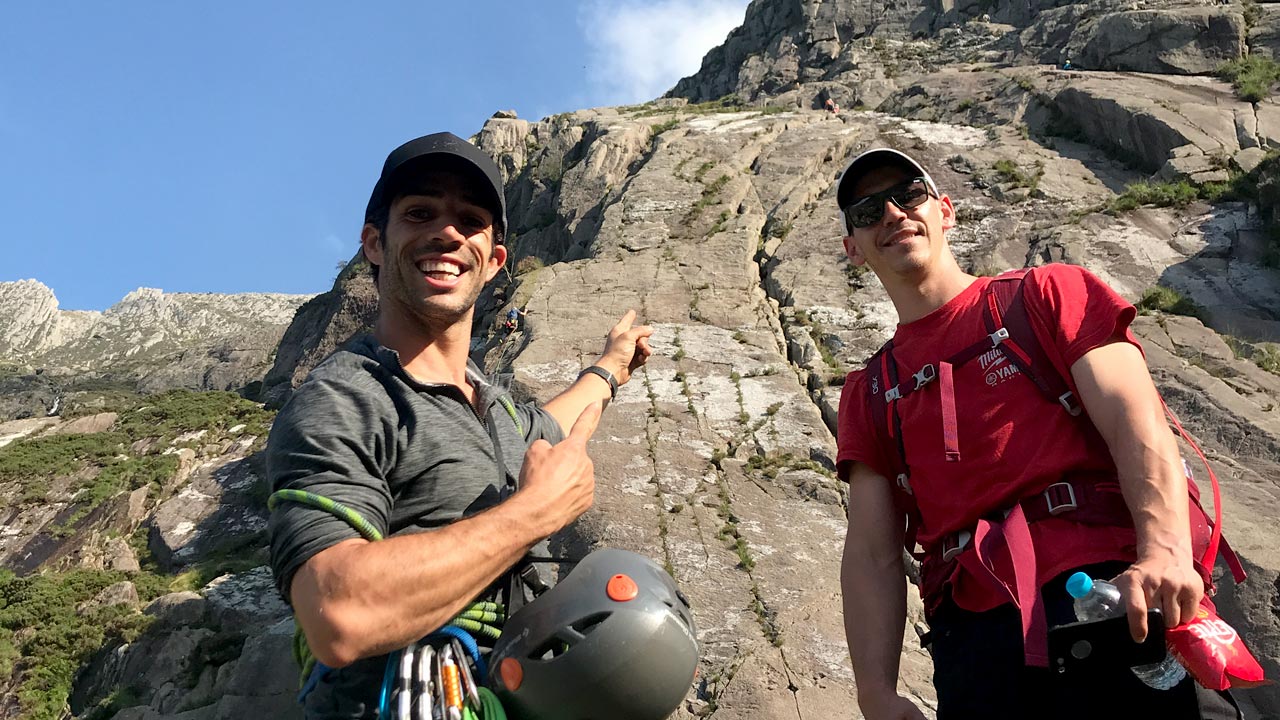
Learn to Multi-Pitch Rock Climb
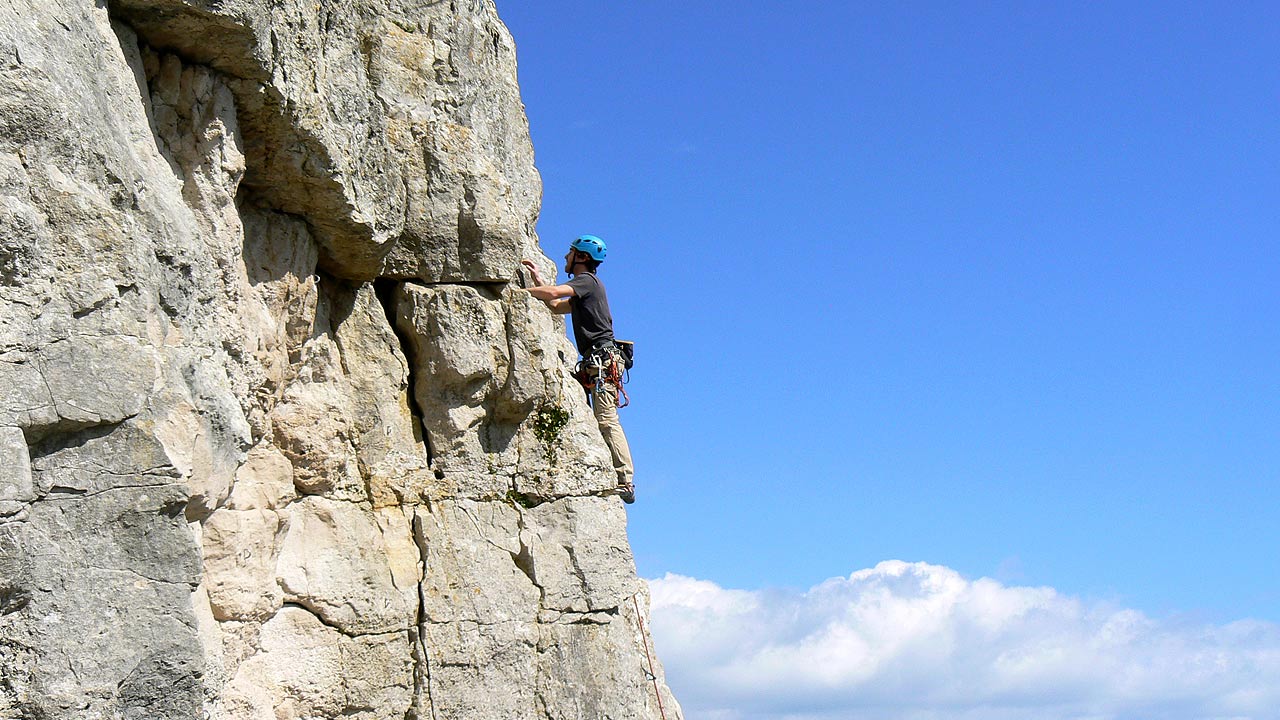
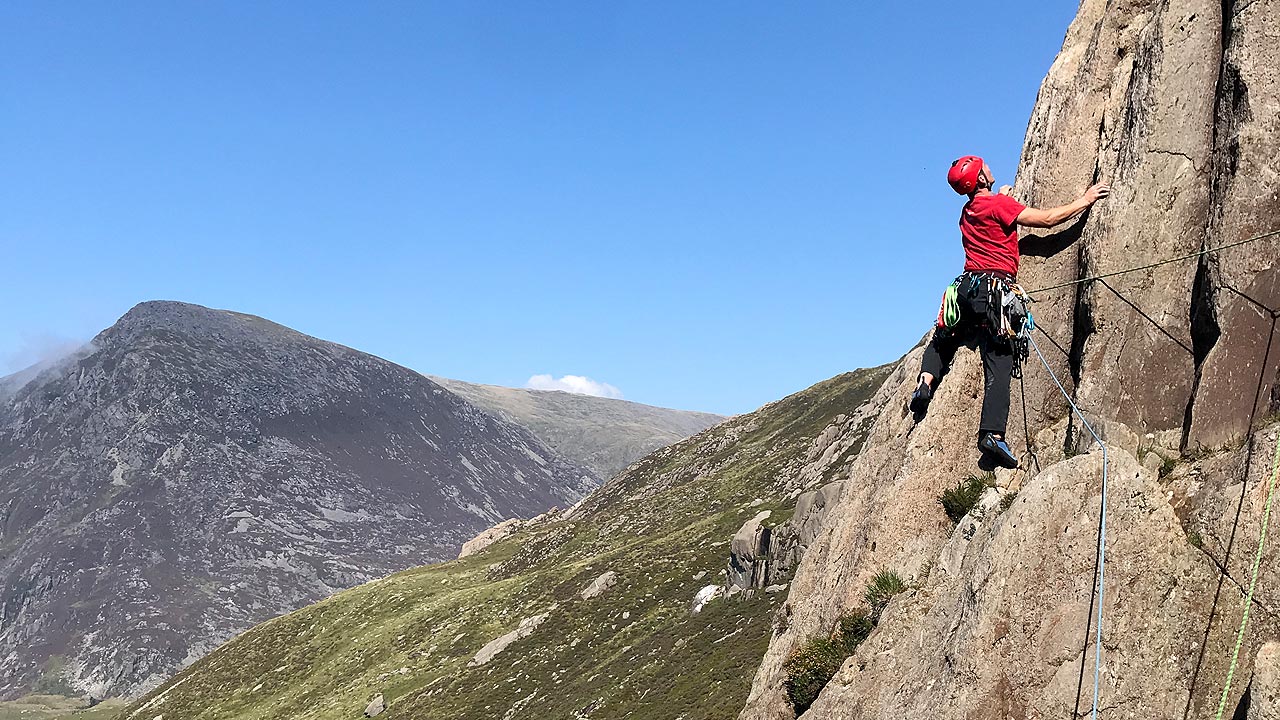
So you’re a lead climber going on awesome adventures and exploring new routes, but you want to go higher, explore further and have even bigger adventures- then lets get you on a multi-pitch climb!
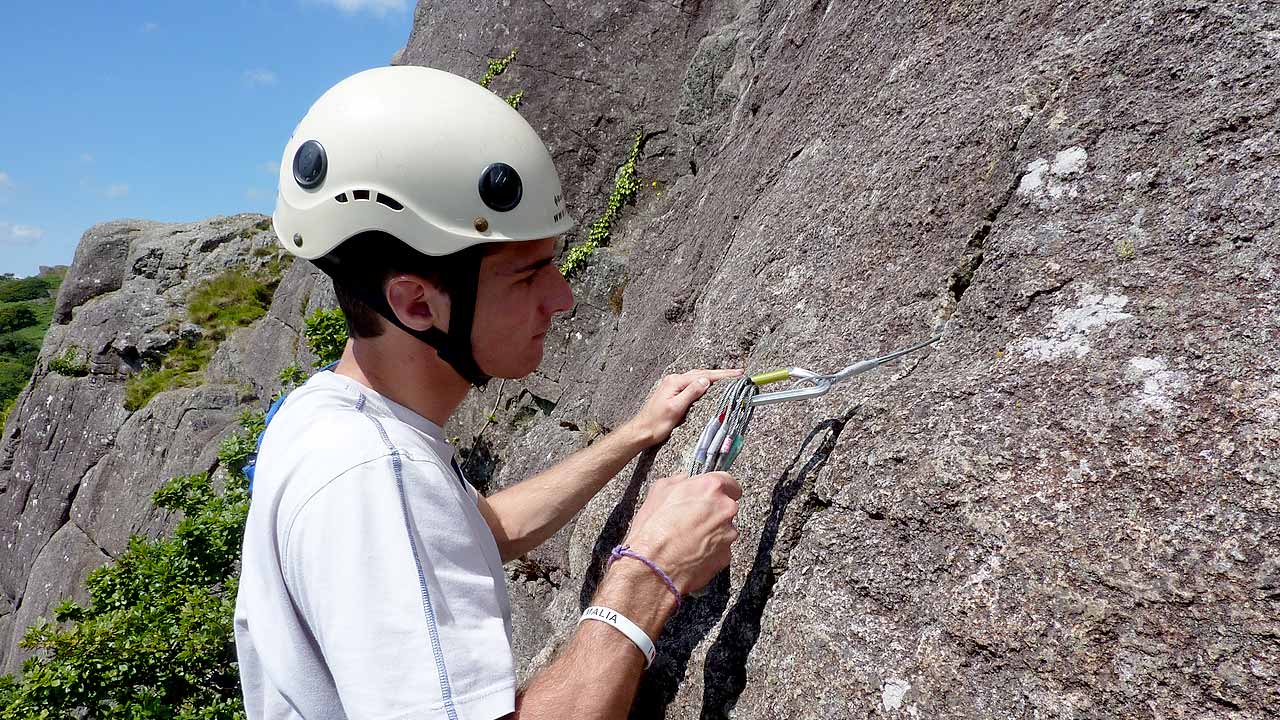
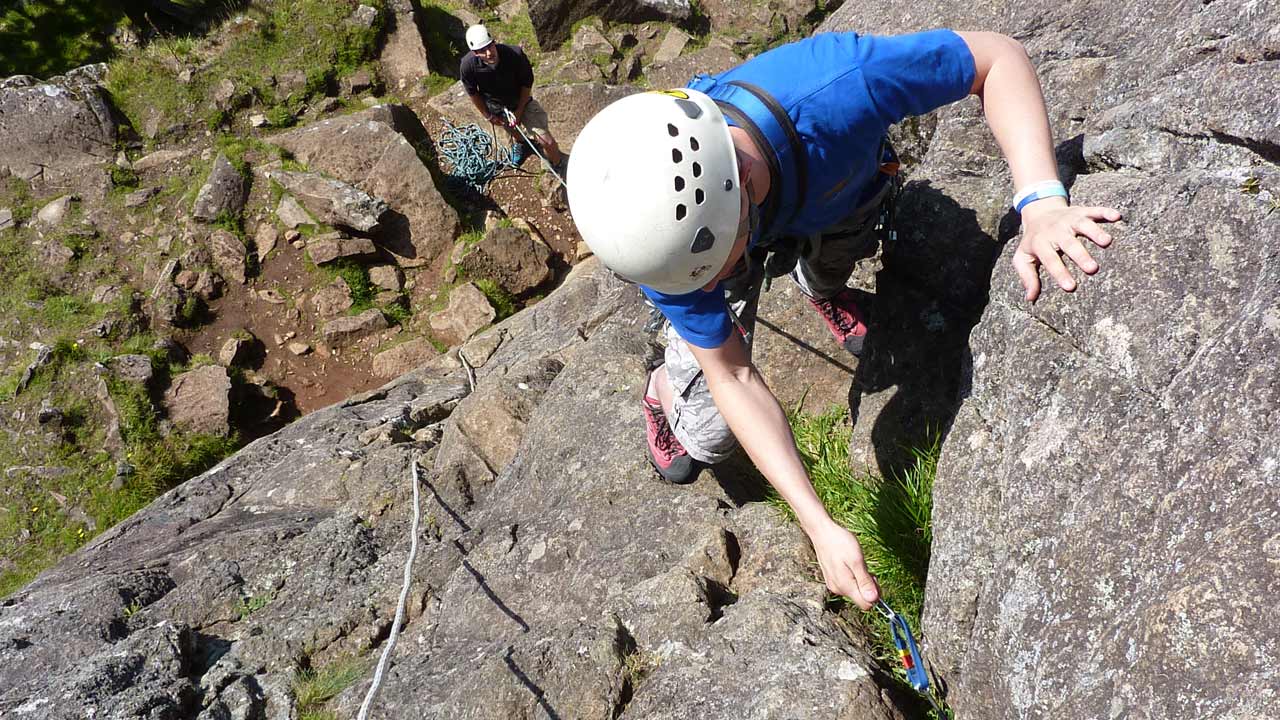
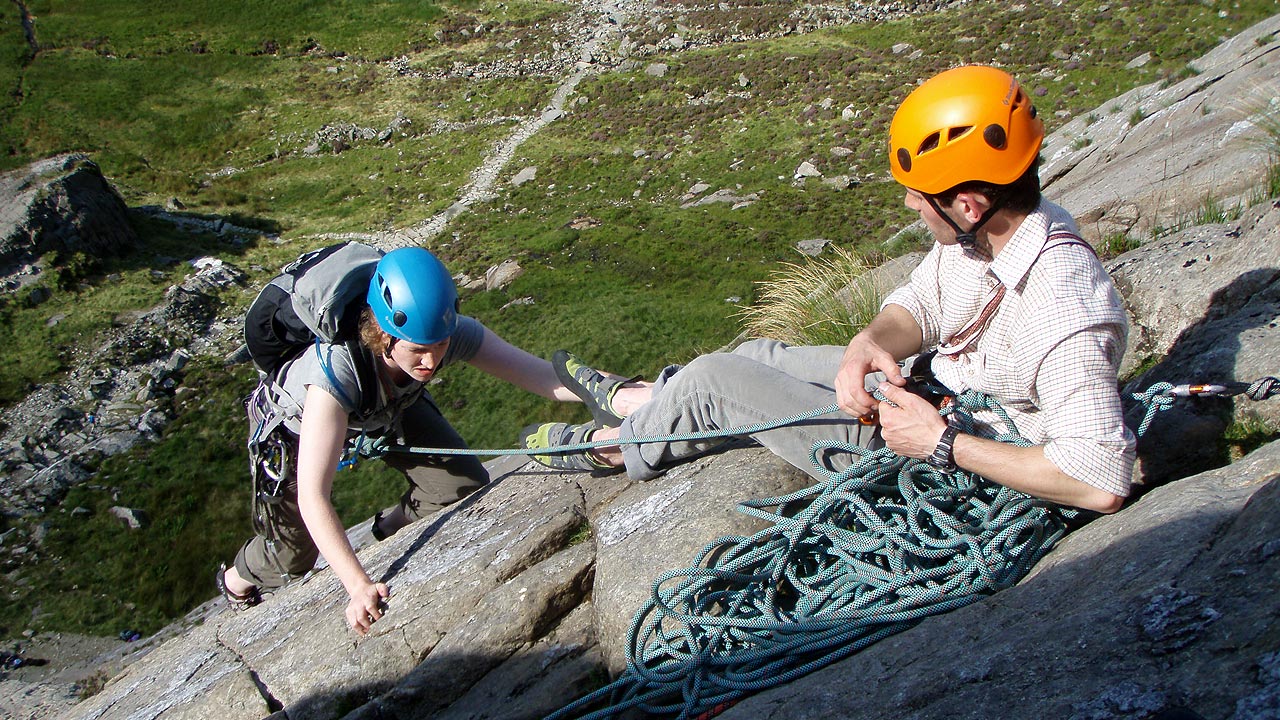
As a lead climber, you know what you’re doing, but under the watchful eye of our highly experienced instructors we’ll be able to refine your trad climbing, help you get slicker rope skills and show you new tricks of the trade so you can get the most out of the awesome new world of multi-pitch rock climbing.
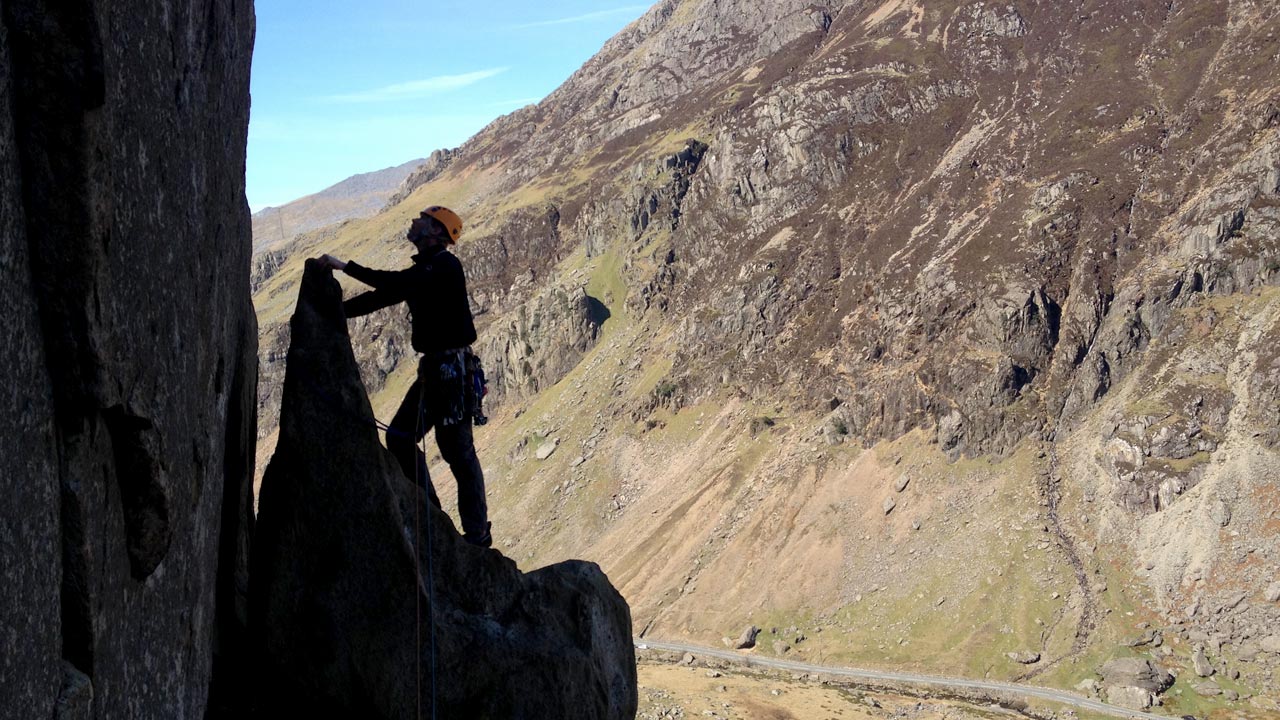
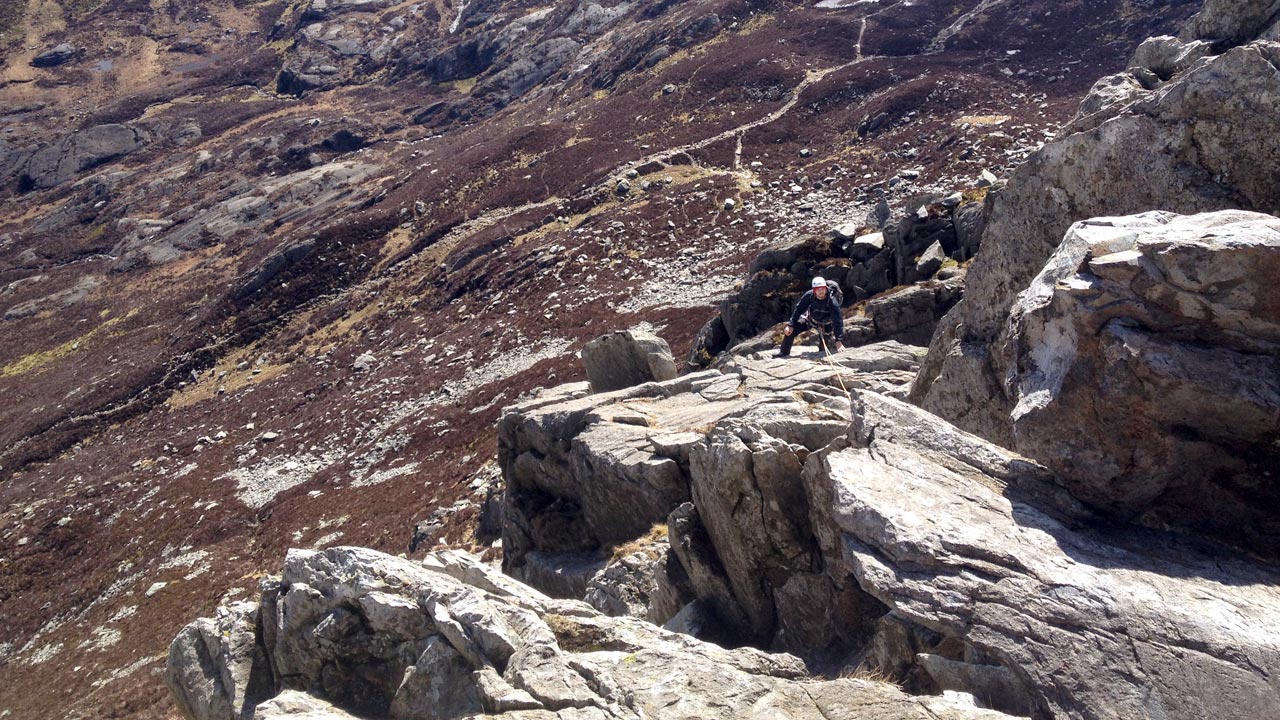
We teach multi-pitch climbing on a ratio of 1:2 so we will be able to tailor it to your needs, work at your pace and make sure you get the most out of your experience. There are a number of locations around the UK that are perfect for learning but also boast incredible scenery, these include, the sea cliffs of Devon and Cornwall, above the river in the Wye Valley and the mountain crags of North Wales and the Lakes.
Information
Season
March to October
Duration
2 Days
Group Size
2-4
Restrictions
Minimum age: 18 Max weight: 18 stone (115kg).
Aim
Apply your pre-existing lead climbing skills to the multi-pitch environment and explore new, exciting routes in a stunning location of your choice.
Who is it for?
Anyone wishing to lead climb on multi-pitch crags with previous trad lead climbing experience. If you're not currently a lead climber, try either our 2 day or 5 day learn to lead courses.
Prerequisites
You must be able to safely and confidently lead climb on traditionally placed protection. To benefit most from this course you should be able to climb to a Severe 4b/c standard on lead.
Accepting Risk
By its very nature lead climbing increases the risk of serious personal injury in the event of a fall. By booking this course you accept this risk.
YOU WILL BE REQUIRED TO LEAD ROCK CLIMBS USING LEADER PLACED PROTECTION AND SECOND OTHERS. This is, potentially, a dangerous activity with the risk of serious injury or death. You may take falls onto equipment placed by you but not checked by us. It is impossible for us to guarantee your safety at all times, as sometimes you may be out of our direct control. If you feel unhappy about any of this, please DO NOT join the course. More information is available if you require it. Hatt Adventures will not accept liability for accidents/injuries in such cases unless CLEARLY due to their negligence.
For more info. please see our Terms & Conditions.
Itinerary
The course is structured according to the needs of the group, and progression will be guided by our experienced instructor, but a typical course would look like:
Day 1 - Planning your climbing day, multi-pitch climbing, rope management skills, building a multi-pitch belay, swapping leads.
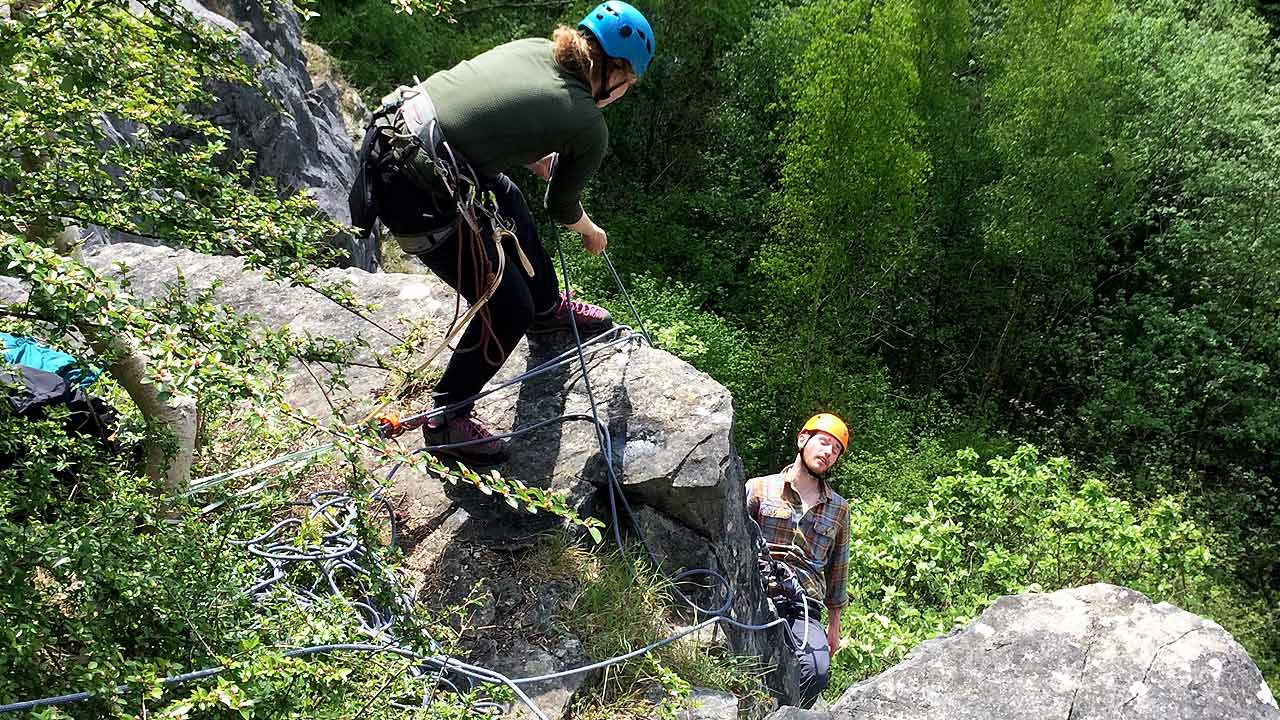
Day 2 - More multi-pitch routes, equipment maintenance, self protected abseils and retreating from routes.
Skills Covered
- Using guide books
- Route selection
- Communication on crags
- Equipment selection
- Anchors and runners
- Rope management skills
- Constructing multi-pitch belays
- Single rope and double rope techniques
- Leading with two seconds (series and parallel)
- Abseils & retreats
- Problem solving
- Equipment safety and maintenance
Locations
Courses can be held in a number of climbing locations throughout the UK
Equipment
Equipment supplied
All rock climbing and safety equipment is supplied including:
- Ropes
- Helmet
- Belaying device and karabiners
- Trad lead rack
Equipment needed
Equipment can be loaned for the course, however it is advisable to use your own kit as you will be familiar with it.
You will need your own personal climbing kit including harness and climbing shoes (these can be provided on request although personal kit will benefit you more).
For all outdoor climbing courses you must have extra warm clothes and waterproofs, we will provide you with a full kit list upon booking.
- Comfortable clothing, suitable for the time of year*
- Waterproof jacket and trousers
- Approach shoes / trainers**
- Climbing shoes
- Harness
- Helmet
- Trad lead rack (equipment can be loaned however it is advisable to use your own kit as you will be familiar with it).
- Rucksack (approx. 40-50ltr)
- Packed lunch and plenty of water
- Medication / Tablets / Inhaler etc.
The above list is just a guide and appropriate clothing for the time of year should be worn.
*Clothing should comprise of several layers to trap the warmth. Please do not wear denim as it restricts movement, is cold when wet and is slow to dry.
**For the walk-ins we’d recommend sturdy approach shoes or trainers with a substantial tread should be worn. Walking boots can be a good option but if we’re attempting long routes and climbing with kit they’ll be very heavy to carry.
Please remember the crags can be a fair walk or scramble from the car park, so it important to put all of your kit in a suitable size rucksack leaving space for climbing equipment.
Equipment shop
Take a look at our online shop for any equipment you might want for your outdoor adventures. We stock a variety of equipment and can give expert advice if you have any queries. Choose to collect your order on a course (free of charge) and your instructor will have it ready and waiting for you when you arrive.
Transport
To reduce the environmental impact, we actively encourage people to lift share where possible. Our instructors may be able to share transport from Brighton, London and the South East, or we will meet at the venue.